
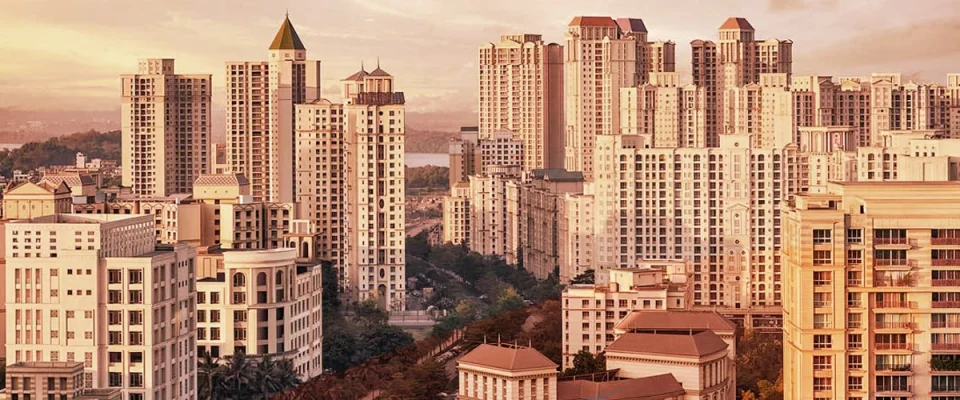
Real estate, a cornerstone of both global economies and individual lives, represents much more than just bricks and mortar. It is a dynamic industry that not only provides the shelter we call home but also serves as a powerful engine for wealth creation, economic growth, and urban development. The real estate market is vast, encompassing residential, commercial, and industrial properties, each with its own set of challenges, opportunities, and investment potential. As such, the real estate sector is a unique confluence of business, investment, social mobility, and urban planning.
To truly understand real estate in its multifaceted glory, it is essential to explore the forces shaping the industry today. From economic trends to technological advancements, environmental concerns to shifting social preferences, the real estate market is in constant flux. This article delves into the most pressing factors influencing the industry and provides insight into the evolving landscape of real estate in the modern world.
The Foundations of Real Estate: A Broad Market
Real estate can be divided into three primary categories: residential, commercial, and industrial. Each of these segments has its own unique characteristics, influencing both demand and supply, pricing strategies, and investment behavior.
Residential Real Estate: The Heart of Homeownership
The residential real estate market is perhaps the most widely recognized, as it directly impacts people’s lives in a very personal way. Homes are not just physical spaces; they are also emotional and financial assets. For many, owning a home represents the pinnacle of the American Dream or the symbol of personal success and stability. This emotional connection makes residential real estate not only a commodity but also a symbol of aspiration.
However, residential real estate is not without its complexities. Factors such as interest rates, government policies, local economies, and shifting demographics all contribute to the ebb and flow of this market. For instance, when interest rates rise, borrowing becomes more expensive, which can dampen demand and lead to slower price growth or even price declines. On the other hand, low-interest rates encourage borrowing, which stimulates demand and can push prices higher.
Social trends also have a profound impact on residential real estate. The millennial generation, for example, has shown a preference for renting over homeownership, driven in part by economic conditions such as student loan debt and the high cost of housing in urban centers. Additionally, the shift toward remote work in recent years has sparked new trends in residential real estate, with many people moving out of expensive metropolitan areas to more affordable suburban or rural locales, often in search of larger homes and a better quality of life.
Commercial Real Estate: The Backbone of Business
Commercial real estate (CRE) refers to properties used primarily for business purposes, including office buildings, retail spaces, industrial facilities, and mixed-use developments. This sector plays a pivotal role in the economy, as it directly impacts the functioning of businesses and the economy at large. A healthy commercial real estate market signals confidence in the economy, while downturns often indicate broader economic challenges.
One of the most significant shifts in the commercial real estate market over the past few years has been the rise of e-commerce, which has profoundly reshaped demand for retail and industrial spaces. The exponential growth of online shopping has led to the decline of traditional brick-and-mortar retail, leaving many shopping centers and malls struggling to stay afloat. In contrast, the demand for industrial properties, particularly warehouses and distribution centers, has surged as e-commerce giants like Amazon require vast facilities to handle their global supply chains.
Additionally, the COVID-19 pandemic reshaped commercial real estate in ways that will have lasting effects. The work-from-home movement accelerated the demand for flexible office space, with companies embracing hybrid work models. This shift has led to changes in the design and usage of office spaces, with an increasing demand for coworking spaces and more adaptable, open-plan environments that can accommodate fluctuating numbers of employees.
Industrial Real Estate: The Rise of Warehousing
Industrial real estate, which includes warehouses, manufacturing plants, and distribution centers, has become an increasingly important part of the real estate landscape in the age of globalization and e-commerce. As supply chains become more complex and global, the need for large-scale industrial facilities to store and transport goods has grown.
The rapid expansion of online shopping has been a driving force behind the demand for warehouse and logistics properties. These facilities are strategically located near transportation hubs such as highways, ports, and airports to facilitate the quick delivery of goods to consumers. Industrial real estate, often considered a stable and long-term investment, has become a favored asset class for institutional investors, especially in markets that have seen significant population growth or are hubs for global trade.
Shifting Dynamics: The Role of Technology in Real Estate
Technology has brought about revolutionary changes in how we buy, sell, and manage real estate. The traditional model of real estate transactions, which often involved agents, paperwork, and long negotiations, has been transformed by the rise of digital platforms and innovations in property management.
The most significant technological development in real estate has been the proliferation of online property listing platforms such as Zillow, Redfin, and Realtor.com. These platforms have made it easier for buyers and sellers to access information, conduct research, and even complete transactions without ever having to leave their homes. Virtual tours, 3D floor plans, and augmented reality (AR) tools now allow potential buyers to explore properties from the comfort of their own devices, significantly enhancing the buying experience.
In commercial real estate, technology has transformed property management and operations through innovations such as smart buildings, Internet of Things (IoT) integration, and advanced energy-efficient systems. Smart buildings, equipped with sensors and automated systems, can monitor everything from energy consumption to security, offering tenants a more sustainable and efficient experience while reducing operating costs for property owners.
Moreover, real estate investment has also been impacted by technology. Online platforms that allow fractional ownership of properties and blockchain-based systems for property transactions are changing how individuals invest in real estate, opening up opportunities for smaller investors and increasing transparency in an industry historically associated with high barriers to entry.
Environmental and Social Responsibility in Real Estate
In recent years, there has been an increased focus on sustainability in real estate development and investment. Environmental, social, and governance (ESG) factors have become central to how both residential and commercial real estate developers approach new projects. There is growing awareness about the impact of buildings on the environment, particularly in terms of energy consumption, resource use, and carbon emissions.
Green building certifications, such as LEED (Leadership in Energy and Environmental Design), have become highly sought after, signaling that a property is designed with sustainability in mind. Developers are incorporating features such as solar panels, energy-efficient appliances, and environmentally friendly building materials to meet the growing demand for green spaces. These sustainable practices not only help protect the environment but also result in lower operating costs for property owners and higher rental values for tenants seeking eco-friendly spaces.
Social responsibility is also becoming a priority in real estate development, with projects increasingly focused on creating inclusive, vibrant communities. Mixed-use developments, which combine residential, commercial, and recreational spaces, are on the rise, as they encourage community engagement and reduce reliance on cars. Furthermore, developers are paying more attention to affordable housing initiatives, particularly in fast-growing urban areas where housing costs have skyrocketed.
The Future of Real Estate: Challenges and Opportunities
Looking ahead, the real estate industry faces both significant challenges and exciting opportunities. The global pandemic highlighted the resilience of the real estate market, particularly in sectors such as residential and industrial, but it also exposed vulnerabilities, particularly in commercial real estate and urban planning. As the world adapts to post-pandemic realities, the demand for flexible spaces, hybrid work environments, and sustainable practices will continue to reshape the landscape.
Moreover, the rise of remote work, changing demographics, and global migration patterns will all have long-term impacts on how real estate markets develop. While some urban centers may see a decline in demand as people move to more affordable regions, others may experience a boom as businesses and individuals continue to flock to cities for economic opportunities.
Technological innovation will remain at the heart of these changes. From AI-driven property management tools to the increasing use of virtual and augmented reality in home buying, technology will continue to streamline the industry, creating more efficient, transparent, and accessible real estate transactions.
In conclusion, real estate is an ever-evolving industry, influenced by a complex web of economic, technological, and social factors. As new trends emerge and markets shift, the key to success in real estate lies in the ability to adapt to change while maintaining a long-term vision. Whether it’s through embracing sustainability, harnessing new technologies, or responding to shifts in consumer behavior, the future of real estate promises to be an exciting, transformative journey.
