
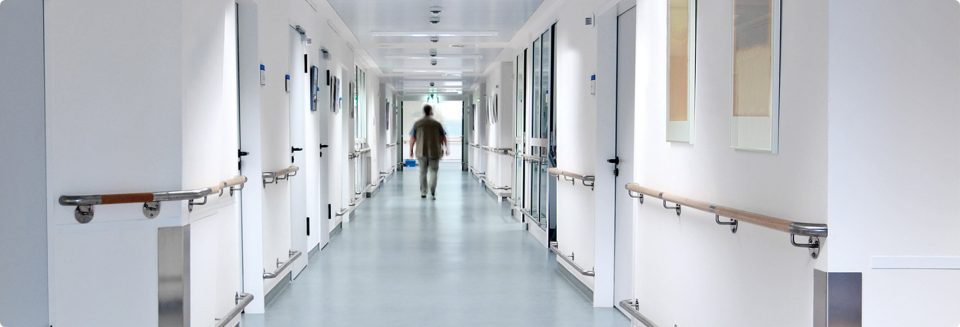
A fresh coat of paint does more than enhance appearances — in healthcare settings, it can transform the entire atmosphere. From calming patients to boosting staff morale, the right colors and finishes play a powerful role in creating a safe, healing, and welcoming environment. Whether it’s updating a dimly lit waiting room where patients spend anxious hours or refreshing the colorful murals in a pediatric ward hoping to provide comfort and distraction, professional hospital painting services can significantly uplift the surroundings. This blog post aims to illustrate how expert painting is an investment in both a facility’s outward look and the well-being of those who walk through its doors each day, whether employees or individuals seeking care. Consider hiring specialists for your next revitalization project—from operating rooms requiring periodic sanitizing to recuperating patient rooms needing a refreshing change, professional painters can bring renewed life to any healthcare space.
Understanding the Impact of Color Psychology in Healthcare Settings
How Colors Influence Patient Emotions and Healing
In the realm of healthcare, the environment plays a pivotal role in patient comfort and healing. The subtle yet impactful effects of color on human emotions cannot be overstated; a wealth of research clearly demonstrates that color choices within a space can significantly influence mood, stress levels, and may even impact physical health outcomes. Soft blues and greens, for instance, are frequently incorporated into various healthcare facilities because studies suggest they help lower anxiety levels—an absolutely crucial factor for patient care and recovery. Conversely, bold colors like bright red can stir up feelings of tension and urgency. Comprehending these instinctual emotional responses is key for healthcare providers when designing environments focused on fostering healing and recovery. By implementing strategic approaches tied to color psychology, healthcare administrators can craft spaces promoting both a sense of calmness and aid in the therapeutic process. This awareness explains why many hospitals and medical centers are increasingly concentrating on the aesthetics of their facilities, guaranteeing that color selection is an integral part of their design philosophy.
The Science Behind Color Choices in Medical Facilities
Color selection within medical environments stems from extensive exploration into human psychology, cognitive responses, and physiological effects. Research has shown that certain hues can impact heart rate, blood pressure, and even pain perception. For example, clinical studies indicate blue lighting may assist in pain and anxiety reduction, making it a suitable selection for treatment spaces and waiting areas. Furthermore, colors like yellow are able to enhance focus while evoking feelings of joy, beneficial where children are present such as pediatric facilities or waiting rooms. Facilities employing color schemes in line with patients’ psychological needs often report improved patient satisfaction and decreased readmission rates. Essentially, developing a color palette that aligns with both the practical needs of the space and the emotional comfort of patients is core to the mission of hospital painting contractors. With growing recognition of these principles, healthcare facilities are engaging professional painters to enact evidence-based design strategies that skillfully leverage color psychology within their spaces.
Choosing the Proper Hospital Painting Services: Qualities to Consider
Key Attributes of Expert Hospital Painters
When selecting hospital painters, critical qualities need consideration to ensure projects meet standards for healthcare facilities. Professionalism encompasses skill and regulations knowledge; painters should comprehend Joint Commission standards and possess experience working safely in clinics. Additionally, adaptable schedules within operating hours with minimal disruption keys success. Varied medical areas demand perfectionists fulfilling requests while retaining quality. Hence, a discerning selection scrutinizing these attributes will forge an alliance ultimately changing environments into ones boosting patient results and staff pleasure.
Assessing Practical Experience and a Diversity of Past Undertakings for Quality Confirmation
Experience provides a fundamental building block when evaluating hospital painting businesses, as there exists an undeniable link between skilled professionals and high-quality effects. It proves wise to inspect the painter’s portfolio to grasp their previous efforts. A complete portfolio highlights their range—presenting before and after visuals, emphasizing various hospital departments they’ve transformed, and demonstrating their flexibility in color applications. Moreover, testimonials and references from other healthcare clients serve as a qualitative measure of a painter’s trustworthiness and quality of work. Engaging in direct conversation with previous clients can furnish insights into the painter’s reliability, adherence to schedules, and general experience collaborating with healthcare staff. This investigation leads to informed choices, allowing healthcare administrators to choose service suppliers equipped with the necessary know-how to achieve a successful and aesthetically pleasing result. When potential service providers can demonstrate a history of satisfactory partnerships within healthcare environments, hospitals can feel assured that their investment in a hospital painting service will yield long-lasting benefits for both patients and personnel alike.
Forward-Thinking Painting Techniques for Healthcare Surroundings
Welcoming Eco-Friendly Paints for a Healthier Atmosphere
In modern times, sustainability and eco-awareness are at the core of many industries, and healthcare is no exception. The paint materials chosen play a considerable role in the health and safety of patients and staff, making it crucial to consider the implications of volatile organic compounds (VOCs) found in traditional paints. Eco-friendly paints provide a transformative substitute, utilizing sustainable materials that not merely minimize airborne toxins but likewise furnish a safer environment for those vulnerable, such as patients with respiratory issues. Recent improvements in nontoxic paint technology now permit vibrant color options without the disadvantageous side consequences linked with conventional products. Moreover, green paints regularly perform equally well or perhaps even better than their traditional counterparts regarding durability and washability, ensuring long-lasting aesthetics. By investing in eco-friendly painting remedies, healthcare facilities can enhance occupant wellness while simultaneously advocating for environmental stewardship—an essential aspect of modern patient care and community obligation.
Transformative Wall Art: Merging Aesthetics with Functionality
While the traditional functions of paintings in hospitals have focused on solid soothing colors, an emerging trend integrates intricate murals and artistic imagery depicting nature to dynamically enhance the atmosphere of healthcare settings. Specialized techniques are now employed to visually engage patients, visitors, and staff alike through complex, uplifting artworks. The incorporation of art goes far beyond superficial aesthetics; murals can aid with orientation within expansive hospital floors or wings, photography of verdant landscapes may measurably reduce anxiety for patients awaiting treatment, and illuminated nature scenes assist with emotional healing through promoted feelings of comfort. Engaging local artists allows each space’s character to shine through with personalized touches, while commissioning specialized dynamic art installations fosters a sense of belonging for all who pass through. This approach leads to a holistic transformation, turning sterile clinical spaces into welcoming havens that prioritize both exceptional care and the dignity of all, substantiating the notion that artworks can complement medical treatment through promotion of mental well-being.
Routine Maintenance: Keeping Your Hospital Looking Its Fresh Best Through the Year
While skilled artisans applied paint with precision, regular refurbishment remains necessary to safeguard the aesthetic and functional integrity of coated sections throughout medical centers. Over prolonged periods, even professionally decorated surfaces may exhibit depreciation from sustained footfall, environmental effects, and frequent sanitation requirements. Implementing a set maintenance schedule allows healthcare facilities to confirm their paint retains optimal condition, particularly significant in regions such as patient rooms and waiting lobbies where initial thoughts are pivotal. This upkeep could involve repairs of chipped zones, cleaning partitions to eliminate scuff marks, and evaluating whether repainting heavily utilized surfaces is warranted. Proactive maintenance not solely enhances the visual appeal but also adds to an environment reflecting the establishment’s commitment to quality care. Regularly scheduling assessments with painting experts able to provide recommendations on preservation will assist in lengthening the lifespan of coated surfaces while sheltering the overall ambiance of the medical space.
Seasonal Atmospheric Alterations: Adjusting Mood Through the Passage of Time
As the seasons ebb and flow, so too do the emotional states of patients and staff within a medical environment. Strategic seasonal variations can effectively refresh institutional areas, generating surroundings attuned to the current period while fostering comfort and positivity. For example, during cold winter months one might favor warmer hues to imbue a sense of coziness and warmth, whereas brighter colors in spring could rouse feelings of rejuvenation and vitality. Moreover, incorporating seasonal decor or artistic installations provides visual interest, cultivating a welcoming ambiance reflecting the facility’s focus on patient experience. Such atmospheric adjustments reinvigorate spaces while allowing personnel engagement through contribution of community-inspired concepts or assistance. Consequently, intermittent seasonal alterations play a fundamental role in sustaining a vibrant, inviting setting year-round, strengthening the interconnection between environment, mood, and recovery.
